Presentation from Kevin Pyle
and
Installation from Ursula Emery-McClure
Saturday, August 8th | 1:30pm
Free Admission | Light Refreshments
Reservations appreciated | RSVP below
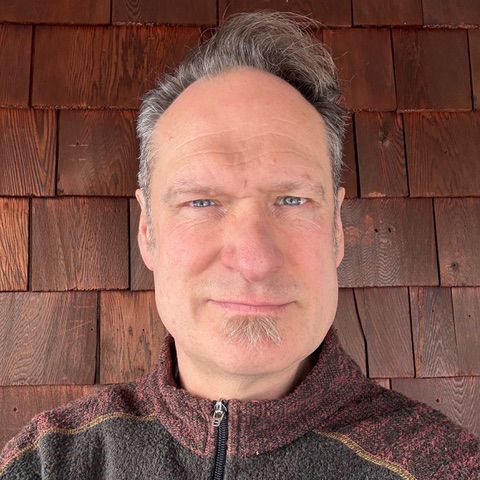
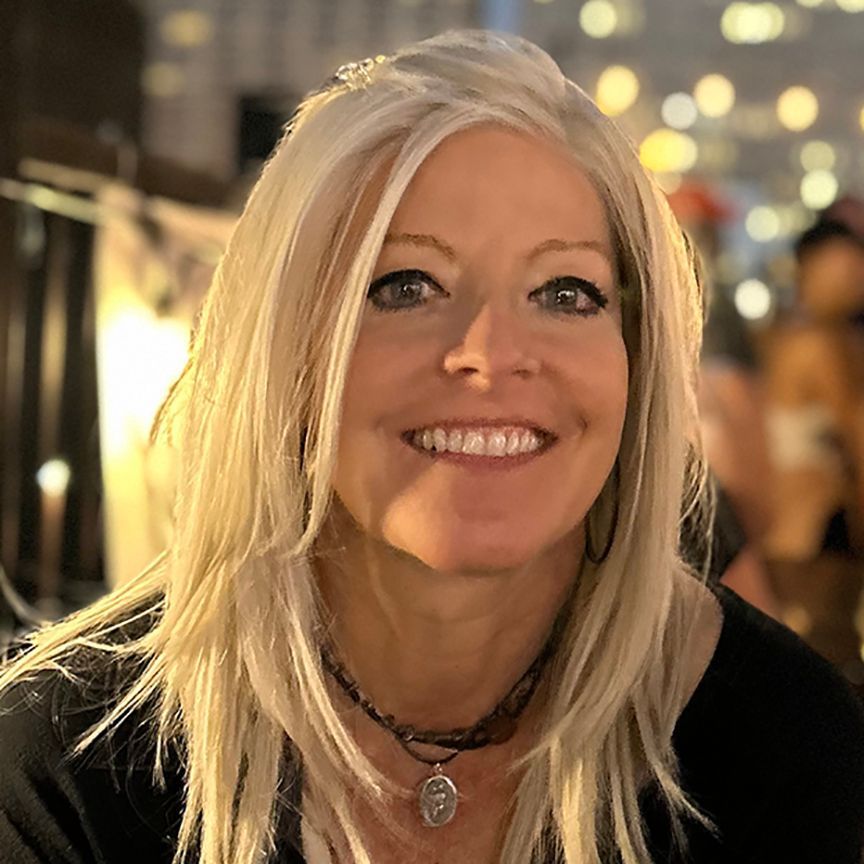
2026 Summer Volland Residents Ursula Emery-McClure and Kevin Pyle showed interest in sharing their work with the public even before arriving at Volland. July 14th marks the beginning of their residency but we're already looking ahead to their final weekend at Volland.
On Saturday, August 8th, Kevin and Ursula are inviting the public to come see their residency projects (or ideas that are similar to them). Don't worry if it's hot outside... Kevin's presentation will be indoors and Volland is providing iced tea and water to keep you cool before we head to Blacksmith Shop for Ursula's open studio.
Learn more about Ursula and Kevin in our 2026 Volland Residents page.
Kevin Pyle - 1:30pm in the Volland Gallery
Sequential artist and current Volland Resident Kevin C. Pyle will present several of his land-related graphic essays in multi-media form followed by a sharing of the Flint Hills-related work produced during his residency. His current series of graphic essays use walking, observation, research and drawing as a generative component for creating work that explores the bioregional nature of a place and its shifting meanings across time.
With this Volland Residency Pyle, a graduate of the University of Kansas, is returning to Kansas after nearly forty years on the east coast. He is the author and illustrator of numerous graphic novels and non-fiction comics. His work has appeared in the New York Times, L.A. Times, The Evergreen Review and numerous publications. He also makes installations, videos and performances that have been exhibited or presented at MASS MoCA, Princeton University and the Brooklyn Museum.
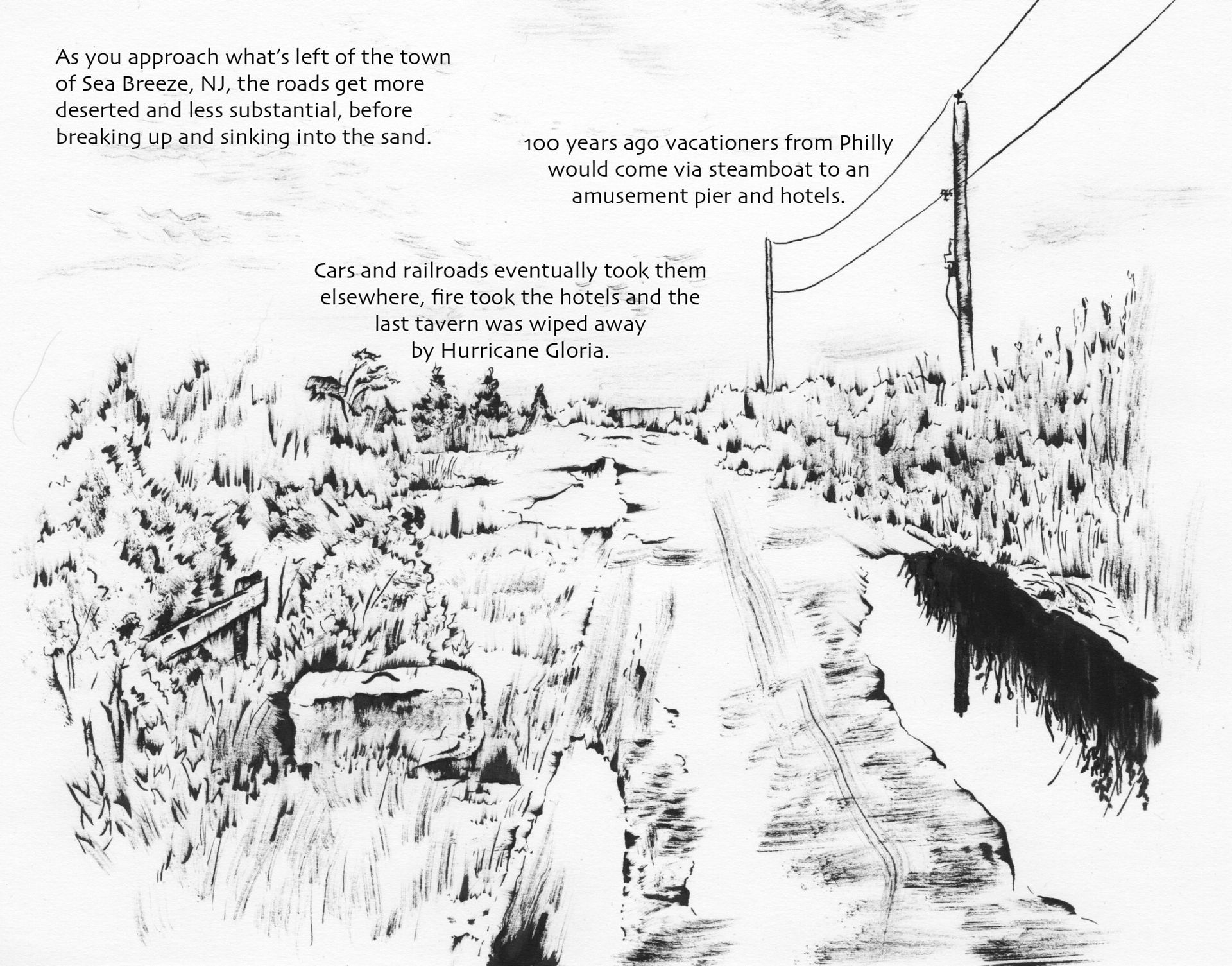
Kevin Pyle, excerpt from
Sea Breeze
(2024).
Read the entire graphic essay
here.
Ursula Emery-McClure - ~2:15pm in the Blacksmith Shop
The ROOT Source is a collaborative cultural artifact emerging from ROOT (RE)source, an investigation by emerymcclure architecture into the material culture of the Kansas Flint Hills. The project explores the Kansas Flint Hills not as a single image or object, but as a landscape revealed through two complementary ways of seeing and making. This landscape contains nearly two-thirds of the world's remaining tallgrass prairie. While recognized for its rolling hills, annual fires, grazing, and expansive grasslands, the landscape’s greatest strength lies beneath the surface. Millions of roots bind the thin soils together, allowing the prairie to withstand drought, flood, fire, and continual cycles of renewal. Like the prairie itself, the project suggests that resilience emerges not from individual parts, but from relationships.
The ROOT Source is composed of two counterpart works that examine the same landscape through different approaches.
The upper work is a quilted map of the Flint Hills created by fourteen quilters from across Kansas, with all pieces assembled in a traditional quilting bee. Each quilter interpreted a distinct force or natural process which shapes the prairie, drawing upon their own knowledge and craft traditions. Suspended beneath the quilt is a second landscape constructed by six collaborating architects and landscape architects. Guided by ecological sampling, species distributions, and observed root behaviors, the design team modeled the hidden structure of the root systems of this region as a fibrous network.
Neither work illustrates the other. Together, they construct complementary ways of understanding the Flint Hills. The quilt represents the visible landscape through interpretation—drawing upon memory, culture, geography, and craft. The root field models the invisible landscape through observation, classification, and ecological translation. One records the lived landscape above ground; the other reveals the living systems below it.
Neither work is complete on its own. Together, ROOT (RE)Source proposes that no single perspective can fully describe a landscape. Only through the convergence of cultural knowledge, ecological observation, design, and collective making does a richer understanding of place emerge.
The project originated through a 2026 Volland Foundation Residency awarded to Ursula Emery McClure and was realized through collaborations among fourteen Kansas quilters, six architects and landscape architects, Kansas State University, University of Louisiana at Lafayette, The Ohio State University, Savannah School of Art and Design, a film team, the Volland Foundation, emerymcclure architecture, and a community of makers whose collective work reflects the interconnectedness of landscape, culture, and design.
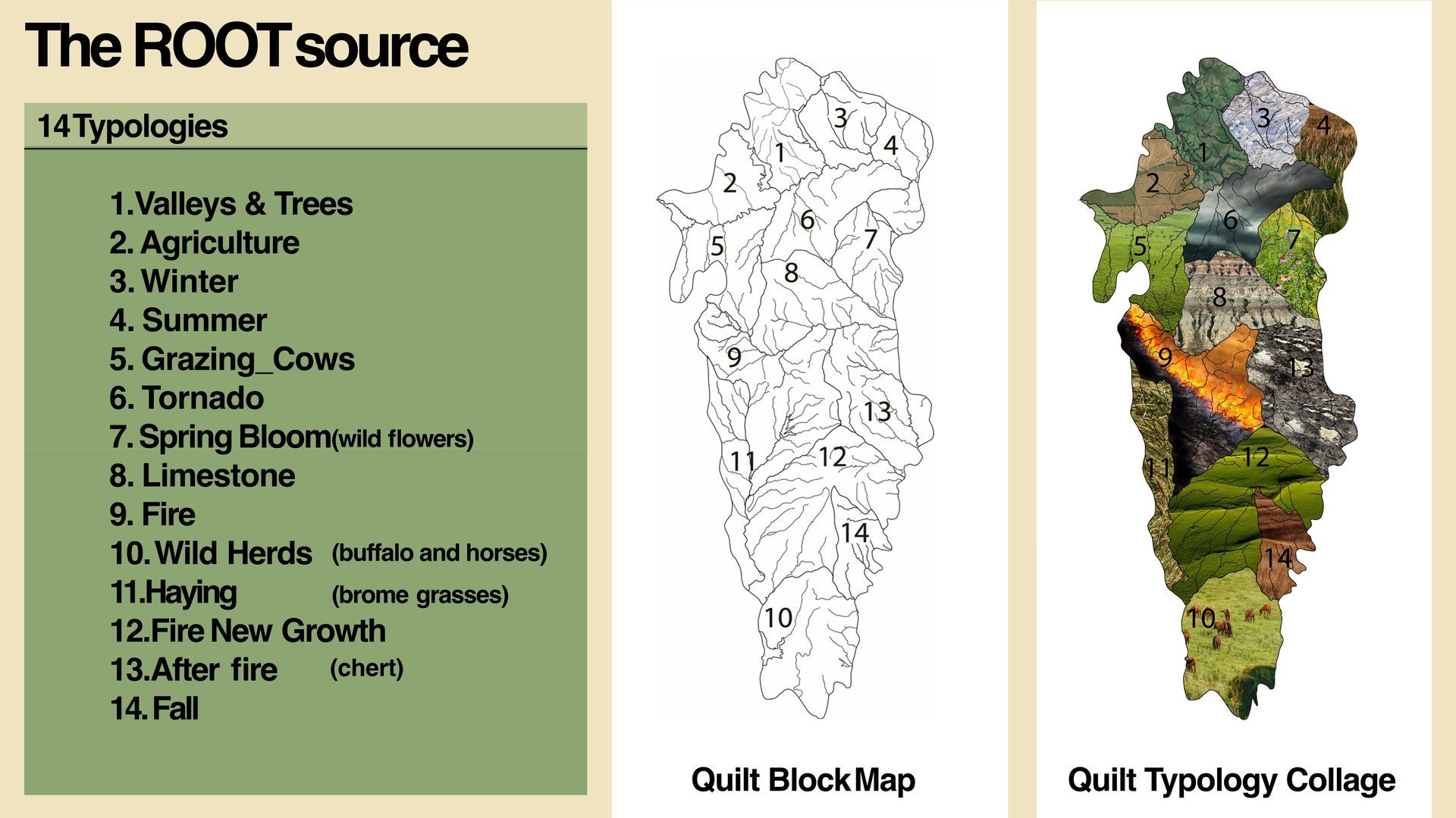
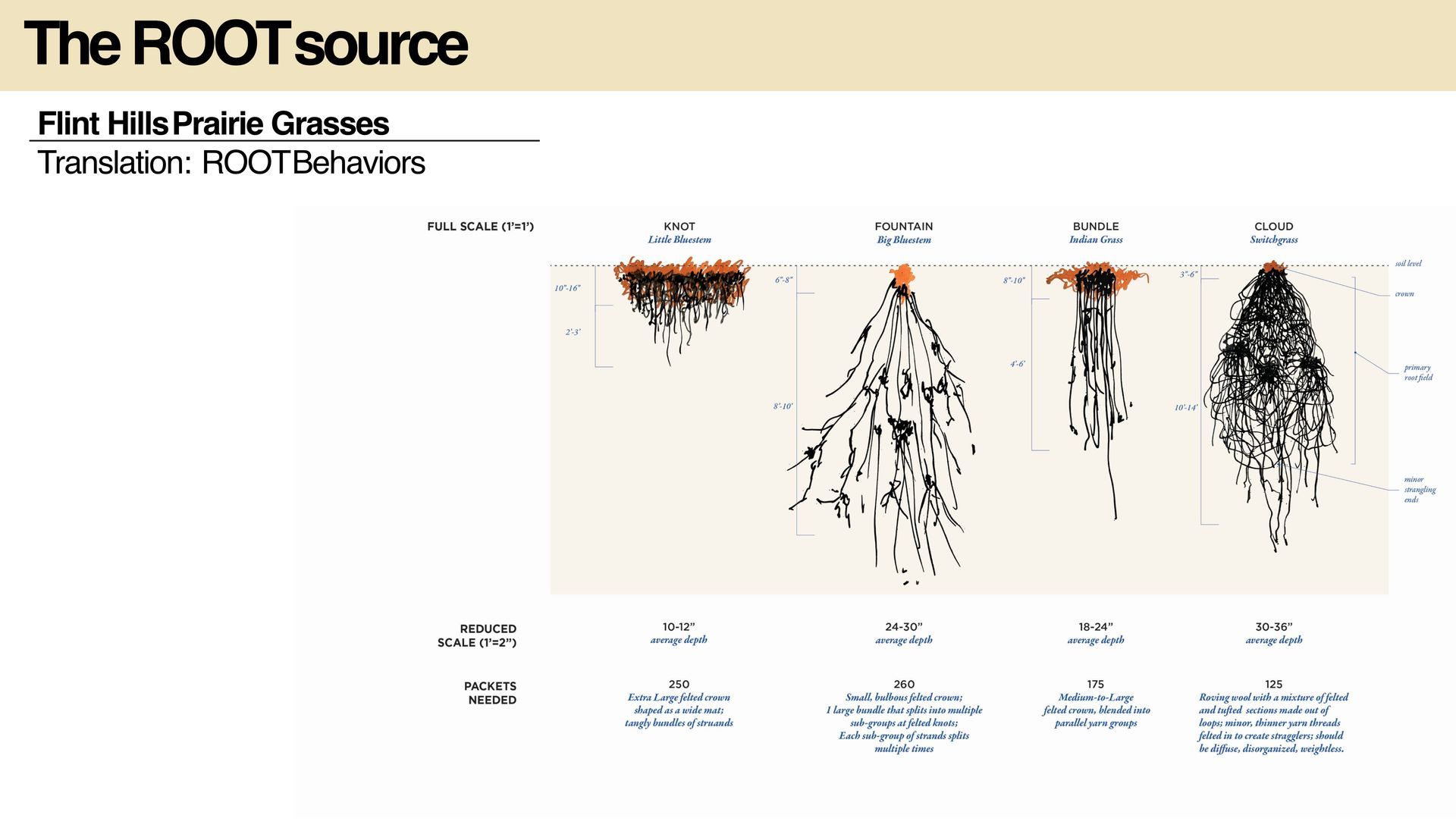
Quilting guides from emerymcclure architecture.